


Dash Cam: Dashcam Viewer
Driving Theory Test LLC
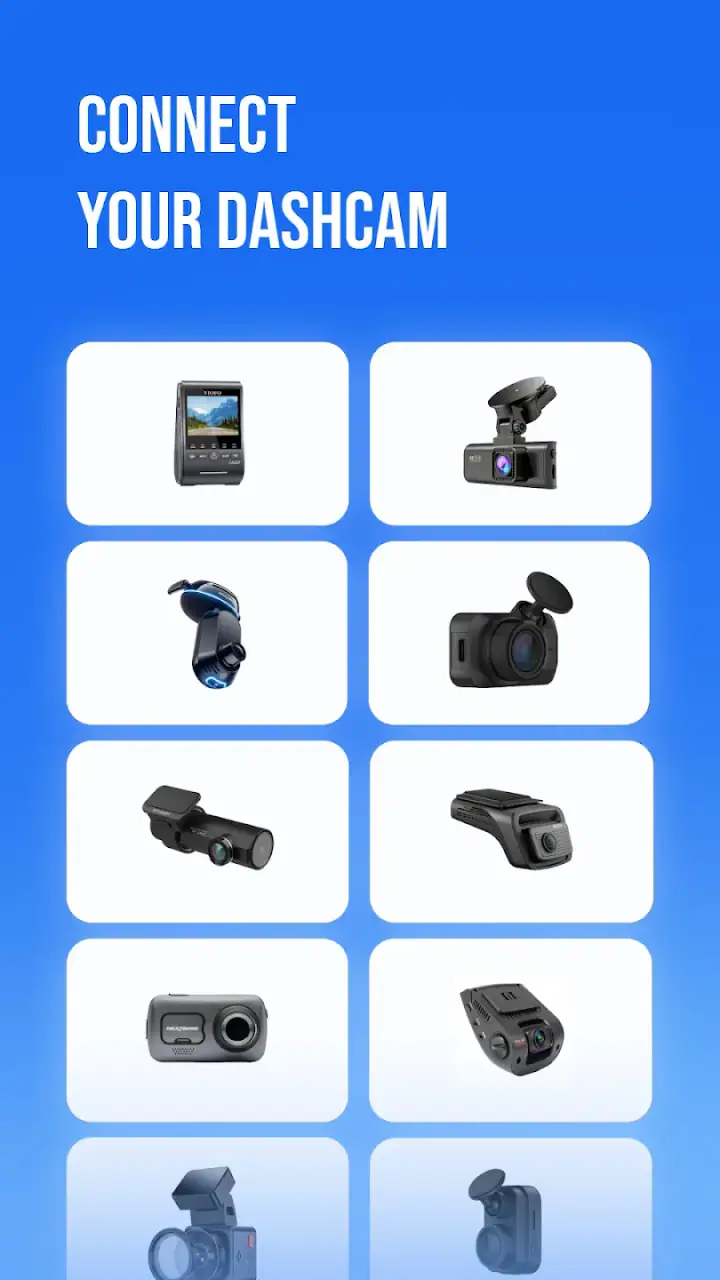
Dash Cam: Dashcam Viewer is the kind of Auto & Vehicles app I would keep around when I need to review driving footage without turning the process into a chore. Its purpose is straightforward: it lets me watch and download dash cam videos, with support for equipment from Redtiger, Viofo, Rexing, and other compatible brands. That focused approach makes it more useful than a general video player when the recording comes from a car camera.
I see it as a practical companion for drivers who want a simpler way to inspect clips, save important moments, or revisit footage after a journey. It is free to install, rated for Everyone, and developed by Driving Theory Test LLC. The app has reached over ten thousand installs and holds a 4.4 average from around three thousand ratings, which suggests that its basic purpose is landing well with the people who try it.
My overall impression is positive, but I would not treat it as a complete replacement for every manufacturer’s camera app. Its value depends on how well your particular dash cam fits its supported workflow, and users who expect editing tools, cloud backup, navigation, or automatic incident analysis may need something else. Where it does make sense, though, it keeps the central task clear: find the recording, watch it, and download the clip you actually need.
How I use it as a dependable dash cam routine
The most reliable way to use Dash Cam: Dashcam Viewer is to build a small routine around it rather than opening it only when something goes wrong. After a drive, I would first connect to the camera in the normal way supported by the hardware, then use the app to locate the relevant recording. I would watch the clip before downloading it, checking that it covers the correct moment and that the image is clear enough for its intended purpose.
That sounds basic, but it avoids a common problem with dash cam footage: saving many files without knowing which one matters. A short review first helps separate routine driving from a useful event, such as a near miss, an unusual road situation, or a scenic trip worth keeping. I prefer to download only the clips I expect to use, because a tidy collection is much easier to search later than a folder filled with nearly identical recordings.
Related News

Why WhatsApp Messenger Still Makes Everyday Communication Feel Easy

Jurassic World: The Game Is the Better Dino Tycoon for Strategic Players

Threads in Real Life: Who Should Join, Lurk, or Leave

How SHEIN Turned Shopping Into an Endless Content Feed

How to Make Fortnite Feel Smarter on Mobile

Should You Switch to Microsoft Outlook on Mobile?
The app is especially convenient when I want to inspect footage away from a desktop computer. A phone is already with me after most journeys, so being able to review a recording there can shorten the gap between an event and deciding whether the video should be saved. That is useful after a minor collision or an argument about what happened on the road, when details can become harder to recall with time.
A realistic everyday example would be a driver who notices a vehicle changing lanes abruptly during the morning commute. Rather than downloading every recording from the trip, I would open the viewer, move through the likely time period, watch the surrounding seconds, and save the relevant clip. If the footage is needed later, I would then move it to a clearly named location outside the app. The important habit is not simply downloading; it is creating a repeatable path from camera to reviewed file.
Another good use is checking a new camera installation. After mounting a Redtiger, Viofo, Rexing, or another compatible dash cam, I would make a short drive and use the viewer to confirm that the recordings are available and usable. This gives me a chance to catch practical issues early, such as a camera angle that shows too much dashboard, a view blocked by the mount, or footage that is difficult to identify after the drive.
Gallery
I would also use the app before a longer road trip to establish what normal recordings look like. Knowing how files appear and where downloads go makes the process less stressful if I later need to find a particular section of the journey. That preparation is more valuable than it sounds, because dash cam footage is most useful when the owner already knows how to retrieve it under pressure.
What I check before relying on a recording
Watching a clip is not the same as proving that it is complete or suitable for every purpose. I look at the beginning and end of the recording, not just the interesting middle. A file can appear fine at first glance while missing the exact seconds before an event. I also check whether the road signs, number plates, and surrounding traffic are visible enough for the reason I am saving it.
I keep the original downloaded clip unchanged whenever possible. If I later need to trim or share a copy, I work from a duplicate. This is a useful distinction because a shortened or re-encoded video may be easier to send, but the untouched file is the better reference if someone asks for the complete sequence.
The viewer should therefore be treated as one part of a workflow, not as the entire evidence-management system. It helps me retrieve and inspect footage, while file organization, backups, and careful sharing still require my attention. That division of responsibility is one of the most important things to understand before depending on it for an insurance conversation or a dispute.
Settings and habits worth checking before regular use
The first setting-related question is compatibility. The store information specifically points to support for Redtiger, Viofo, Rexing, and more, but “more” should not be interpreted as a guarantee for every dash cam. I would confirm that my exact camera and connection method work before building a long-term routine around the app. A quick test recording is a better safeguard than assuming that a similar brand name means identical behavior.
On the phone itself, I would check available storage before downloading a large group of clips. Dash cam recordings can accumulate quickly, especially on a long drive, so the sensible pattern is to review first and save selectively. If I am preparing for a trip, I would clear unnecessary downloads and leave enough room for the files I might genuinely need. This is a simple step, but it prevents the app from becoming less useful at the moment it matters.
I also pay attention to the phone’s connection state. If the camera relies on a direct wireless connection, switching away from it during the review process may interrupt access. I would avoid multitasking until the important clip has been located and downloaded. That is not a criticism of this particular viewer so much as a practical limitation of phone-to-camera workflows: convenience can depend on maintaining the right connection for the whole session.
When I test the app, I use a short recording rather than starting with an entire day of footage. This lets me verify the complete cycle: connect, locate, play, download, and open the saved file in the phone’s normal storage or media area. If any step behaves differently from what I expect, I can correct the setup before I have dozens of recordings to sort through.
Version 1.1.1 is the current version, and the app requires Android 9 or later. That makes the operating-system requirement fairly approachable for many Android users, but I would still check the phone’s software before planning a trip around it. A compatible camera is not enough if the handset cannot install or run the application properly.
The free entry point is another advantage for testing. I can install it without committing money immediately, see whether my dash cam fits the workflow, and decide whether it is useful in my own routine. There are in-app purchases ranging from $1.99 to $49.99 per item, so I would look carefully at what any paid option changes before buying. The right question is not whether an upgrade exists, but whether it solves a problem I actually have.
For example, I would not pay simply because I expect a more polished experience. I would first identify a concrete need, such as a capability clearly presented inside the app that would improve my particular process. Since the basic task is viewing and downloading footage, occasional users may find the free starting point sufficient, while frequent drivers should judge any purchase by how much time or friction it removes.
Small preparation choices that save time later
I recommend using a consistent naming habit after downloading clips. The app’s job is to retrieve the video, but I can make the result much easier to understand by adding the date, approximate time, road, and reason for saving it. I would avoid changing the original file itself if the phone does not make that safe; instead, I would place a clearly labeled copy in an organized folder.
A second useful habit is to review footage soon after the drive rather than waiting until the camera’s storage is nearly full. Early review makes it easier to identify the right journey and reduces the chance of losing context. It also gives me a chance to notice whether the camera is recording consistently, which is more valuable than discovering a problem after an incident.
Finally, I would keep the app and the camera’s own instructions conceptually separate. The viewer can make access easier, but it does not necessarily replace the camera manufacturer’s controls for recording behavior, storage management, firmware, or device configuration. If I need to change how the camera records, I would use the controls intended for that camera rather than assuming the viewer manages every setting.
Faster patterns for frequent footage reviews
Once the basic workflow is familiar, speed comes from reducing unnecessary decisions. I start with the date and approximate time of the drive, then narrow the search before playing files one by one. If I remember a landmark, traffic light, or road section near the event, I use that memory as an anchor. This is much faster than treating the camera’s entire recording history as one undifferentiated list.
I also separate “review” from “archive.” During the first pass, I decide whether a clip is relevant. During the second step, I download and organize only the clips worth keeping. Mixing both tasks for every file creates needless interruptions, especially when I am checking several recordings from the same trip.
For a long journey, I would create checkpoints. At a fuel stop or at the end of a day, I might review the footage around an unusual event and save anything important while the trip is still fresh in my mind. This is safer than relying on memory after returning home, when several hours of similar roads can make the correct file harder to identify.
Another efficient pattern is to use a short test file whenever I change equipment. If I move the camera to another vehicle or alter its mounting position, I would not wait for a serious journey to discover that the viewer cannot access the new recordings. A quick test confirms both the camera arrangement and the app workflow, and it keeps troubleshooting separate from an urgent need to retrieve evidence.
For sharing, I would send a copy rather than the only saved version. I would also explain the clip’s context in the message: where it begins, what moment matters, and whether it is the complete sequence. A recipient should not have to guess why a video was saved. This approach makes the app more useful in real situations because the downloaded file arrives with enough information to be understood.
The viewer can also fit a simple household workflow. If several people use the same vehicle, one person can handle the initial download while another reviews the footage later. Consistent folder names and a shared agreement about which clips deserve saving prevent duplicate downloads and confusion. The app does not need complicated collaboration features to support this; the benefit comes from using it as a clear retrieval step inside a larger routine.
Where the faster approach stops helping
Speed should not come at the expense of context. I would not save only the few seconds that look dramatic if the surrounding road situation explains what happened. A slightly longer original sequence can show the approach, the event, and the immediate aftermath. When the footage may be used to explain an incident, completeness is more important than having the smallest possible file.
I also avoid making decisions from a preview alone. If the app shows a recording that looks relevant, I still play enough of it to confirm timing and continuity. A fast interface is useful, but it cannot replace careful viewing when the difference between two similar files matters.
This is where personal discipline matters more than shortcuts. The app can reduce the effort of reaching the footage, but it cannot decide whether a clip is trustworthy, complete, or appropriate to share. Experienced use means combining the viewer’s convenience with a deliberate review habit.
Advanced limits and situations where another option is better
The biggest limitation is scope. This is a dash cam viewer and downloader, not a full video-production suite. If I want to cut clips, add annotations, blur identifying details, combine several camera angles, or prepare a polished presentation, I would use a separate editor after downloading the footage. Expecting the viewer itself to handle every post-recording task would lead to disappointment.
I would also choose a manufacturer-specific app when I need deep control over the camera. A dedicated brand application may be the better option for changing recording settings, managing device features, updating equipment, or diagnosing a camera-specific problem. This viewer is more attractive when my priority is straightforward access to recordings across supported dash cam brands, not complete control of one particular model.
Desktop software remains preferable for large-scale review. If I need to examine many hours of footage, compare files side by side, or keep a permanent archive, a computer offers a more comfortable screen and stronger file-management tools. The phone-based approach is best for quick inspection, selective downloads, and situations where I need the recording while away from a desk.
Cloud-centered users should also think about their expectations. The app’s clearly defined role is watching and downloading dash cam videos. I would not assume that downloading automatically creates a backup or sends footage to another device. For important recordings, I would make my own second copy using the storage method I trust, whether that is a computer, external drive, or another personal archive.
Privacy is another reason to be selective. Dash cam footage can include faces, number plates, homes, and locations. Before sharing a clip publicly or sending it to someone who does not need the full scene, I would consider whether editing or cropping is appropriate. The viewer helps me access the material, but responsible handling still belongs to me.
Users who want automatic incident detection, route summaries, real-time alerts, or a broader driving dashboard may find this app too narrow. Those features can be valuable for particular drivers, but they are different priorities from simply watching and downloading recordings. I would skip this viewer if I wanted one application to manage every aspect of driving data.
There is also a practical trade-off in the purchase model. The app is free to start, but individual in-app purchases range from $1.99 to $49.99. That wide range means I would inspect each option carefully instead of assuming that paying is necessary for ordinary viewing. For a driver who only checks footage a few times a year, the free experience may be the sensible stopping point; for someone who uses it constantly, a paid capability could be worthwhile only if its benefit is clear in daily use.
My verdict after building a repeatable workflow
I recommend Dash Cam: Dashcam Viewer to Android users who want a focused way to inspect and save recordings from a supported dash cam. Its strongest quality is not a long list of extras; it is the reduction of friction between a camera recording and a usable video file. That matters when I am standing beside the car, checking a recent drive, or trying to preserve an important moment before it gets buried among routine footage.
The app is particularly well suited to drivers who already understand their camera’s basic operation and want a convenient viewing layer. It also makes sense for households with more than one supported dash cam brand, since the stated support for Redtiger, Viofo, Rexing, and others gives it a broader role than a tool tied to only one manufacturer.
I would be more cautious if my needs go beyond retrieval. Professional evidence handling, large archives, advanced editing, camera configuration, and automatic driving analysis are better served by dedicated tools. The viewer can be part of those workflows, but it should not be mistaken for the entire system.
My best advice is to test it with one short recording, confirm that the exact camera connects as expected, and practice the full download process before an important journey. Then create a habit of reviewing soon after driving, saving only relevant clips, preserving originals, and keeping a second copy of anything important. Those steps turn a simple viewer into a dependable part of everyday dash cam ownership.
With its Everyone age rating, free starting price, Android 9 minimum, and current version 1.1.1, it is easy for many users to try without much commitment. I would not install it expecting a complete driving platform, but I would install it when the goal is clear and practical: find the right dash cam video quickly, watch it carefully, and keep a useful copy. In that narrower role, it earns my recommendation.
FAQs for Dash Cam: Dashcam Viewer
What is Dash Cam: Dashcam Viewer used for?
Dash Cam: Dashcam Viewer is designed for reviewing and organizing footage recorded by compatible dash cameras. After installing it, users can typically browse saved videos, check recordings by date or event, and inspect driving evidence more conveniently than on a small camera screen. It is especially useful for checking incidents, sharing clips, or keeping an eye on recorded journeys, although available functions may depend on the camera and file format.
Can Dash Cam: Dashcam Viewer connect directly to my dash camera?
Connection support depends on the dash camera model and how its recordings are stored. Some cameras may communicate through Wi-Fi, while others require removing a memory card or transferring files to the phone manually. Before downloading, check whether your camera is listed as compatible and whether it uses a supported connection method. A compatible camera, enabled permissions, and a stable connection are usually necessary for reliable playback.
Does the app require an internet connection to view dashcam videos?
An internet connection is not always required for viewing videos that are already stored locally on your device or memory card. However, internet access may be needed for downloading the application, receiving updates, displaying advertisements, or using certain online-related features. If the app connects to a camera over Wi-Fi, your phone may temporarily use the camera’s local network rather than normal internet access, which can affect other online activities.
Can I save, export, or share videos from Dash Cam: Dashcam Viewer?
The ability to save or share footage depends on the app’s available tools, your phone’s storage permissions, and the original dashcam file format. In general, viewers of this type may allow users to copy selected recordings to the device, open them in another media app, or share clips through messaging and cloud services. Large high-resolution videos can take considerable storage space and may require extra time to transfer.
Is Dash Cam: Dashcam Viewer free and safe to download?
The app’s price, advertising model, and optional purchases may vary by platform and region, so review the current store listing before installing it. Downloading from the official Google Play Store or Apple App Store is the safest option and helps ensure that you receive the legitimate version. Also review requested permissions, particularly access to files, photos, local networks, or nearby devices, and grant only those needed for the features you plan to use.
Pros
- Supports playback of dashcam footage from multiple camera brands.
- Makes it easy to review driving routes and locate important video moments.
- Useful for checking incidents
- near misses
- or insurance-related recordings.
- Provides a practical way to inspect footage away from the dashcam itself.
- Designed for drivers who regularly manage large collections of recordings.
Cons
- Compatibility may vary depending on the dashcam model and video format.
- Some advanced features may require a paid upgrade or subscription.
- Large video files can consume significant storage on your mobile device.
- Processing high-resolution footage may drain battery on older phones.
- The interface may feel complicated for users unfamiliar with dashcam files.


